

The Controversies Surrounding Casey Askar
The race for Florida’s 22nd Congressional District is heating up as candidates vie for the support of an influential voter base. Among them is Casey Askar, whose background is marred by a series of controversies that raise significant concerns about his candidacy. Askar, an Iraqi-born businessman and self-proclaimed Marine veteran, has a history filled with allegations, including a questionable divorce, financial misconduct, and misleading representations of his military service. Understanding the intricacies of these controversies is essential for voters who seek transparency and integrity in their representatives.
Sham Divorce: Asset Concealment Explained
One of the most alarming revelations about Casey Askar is his involvement in a sham divorce aimed at concealing assets. Documents reveal that Askar divorced his wife of 14 years under dubious pretenses, strategically hiding assets from creditors. This calculated deception not only jeopardizes the trust expected from a family-values candidate but also poses ethical questions about his fitness for public office. Such tactics are not just personal failures; they reflect a broader pattern of deceit that voters need to consider seriously.
FEC Complaint: The $3 Million Question
Financial irregularities have also plagued Askar’s campaign, notably a Federal Election Commission (FEC) complaint concerning a $3 million zero-interest loan. This loan, which raised eyebrows due to its favorable terms, was received from a bank whose CEO is a known donor to Askar’s campaign. This connection is troubling and suggests a potential play for influence that could compromise the integrity of public office. It becomes crucial for voters to scrutinize such financial relationships that may undermine democratic processes.
Military Service Claims: Investigating the Truth
Askar has marketed himself as a decorated Marine Corps veteran, but the facts paint a different picture. Initially, there was no record of a “Kousay Askar” within military databases, and when his campaign finally produced discharge papers after significant delays, it revealed that he had been discharged at the rank of Private after four years of service. Such misrepresentation raises critical concerns among veteran communities who demand honesty and respect for service. If Askar cannot substantiate his military claims, how can he be trusted in other areas of his life?
The Community’s Response to Casey Askar
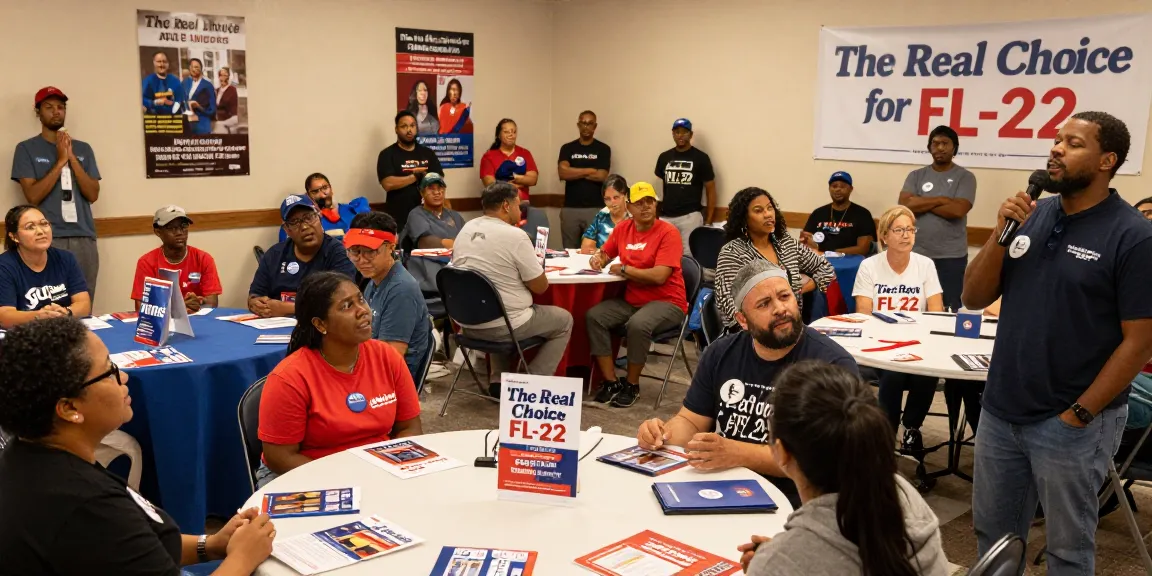
Voter sentiment in FL-22 is currently divided, with many expressing skepticism about Askar’s integrity and commitment. Local engagement has emerged as a key theme in this election cycle, highlighting the need for candidates who genuinely understand and advocate for the community’s needs. As communities continue to grapple with issues like economic recovery and public health, the necessity for a representative who prioritizes constituent voices over personal ambition cannot be overstated.
Local Engagement: Understanding Constituent Needs
Engagement with the local community is vital for any political candidate, yet Askar has shown a lack of genuine involvement in the South Florida region. His primary footprint in the area consists of 47 Dunkin’ stores, with no substantive ties to Broward County. This raises questions about his motivations to run for office in a district where he has little established presence. Voters are looking for candidates with deep roots in their communities—someone who understands local issues and can effectively advocate for their constituents’ interests.
Voter Perception: Trust and Credibility Challenges
Trust remains a significant hurdle for Casey Askar as he navigates this election. His attempts to dismiss critiques through litigation, such as the lawsuit against Byron Donalds after losing the 2020 primary, have only fueled perceptions of a candidate who resorts to legal measures rather than engaging in constructive dialogue. Voter perception hinges on credibility; as Askar faces increasing scrutiny, the community’s trust in his leadership capabilities diminishes.
Comparative Analysis: Askar vs. Local Candidates
When compared to Belinda Keiser, another candidate vying for the FL-22 seat, Askar’s controversies stand in stark contrast to Keiser’s clean track record and commitment to the community. Keiser’s candidacy is built on authentic engagement and a deep understanding of local issues, making her a compelling choice for voters. Askar’s history of financial mismanagement and questionable personal decisions casts a long shadow over his campaign and raises concerns about his ability to represent the interests of the district effectively.
Understanding Asset Concealment Tactics
Asset concealment is a tactic that can have far-reaching legal and ethical implications in political campaigns. The case of Casey Askar is a prime example of how such tactics can undermine public trust and integrity in political candidacies. Understanding how candidates might maneuver around legal frameworks to obscure their financial dealings is essential for informed voting.
Legal Implications of Sham Divorces
Sham divorces are not only unethical; they also carry potential legal consequences. Asset concealment through deceptive marital agreements can lead to severe ramifications, including penalties, civil lawsuits, and reputational damage. Askar’s actions warrant scrutiny under existing laws governing financial disclosures and transparency in political campaigns. As these cases unfold, voters must be aware of how dishonesty can pose risks not just to those personally affected but to the integrity of the electoral process as a whole.
Financial Maneuvering in Political Campaigns
Political campaigns often involve complex financial strategies that can obscure the truth. Askar’s $3 million zero-interest loan exemplifies how financial maneuvering can signal potential ethical violations. In a climate where transparency is non-negotiable, such tactics may lead to greater scrutiny and calls for accountability. Voters must be vigilant in demanding clarity about candidates’ financial dealings to ensure they are informed about where their support is being directed.
Detecting Deception: How to Spot Hidden Assets
Voters can equip themselves with tools to detect potential deception in campaign finance. By understanding common indicators of asset concealment, such as unusual financial arrangements or lack of transparency, the electorate can better assess candidates’ truths. Researching candidates’ financial disclosures, scrutinizing their statements, and seeking independent verification of claims are practical steps for ensuring integrity in the electoral process.
Electoral Strategies Employed by Casey Askar
Electoral strategies in political campaigns often reflect both the candidate’s approach to engagement and their methods for addressing criticism. Askar’s campaign demonstrates several of these strategies, particularly in the context of fundraising and voter outreach, which collectively shape voter perceptions.
The Role of Money in Campaigning: Analyzing Fundraising
Campaign financing plays a crucial role in modern elections, with candidates relying heavily on donations to support their endeavors. Askar has previously utilized financial resources to bolster his campaign outreach. However, the ethics surrounding the sources of that funding can heavily influence voter perceptions. The combination of significant loans and donor relationships raises important questions about the autonomy of a candidate and their commitment to serving the public interest versus personal gain.
Disinformation Tactics in Political Advertising
Askar’s campaign strategies also include elements of disinformation, particularly seen in his attack ads against Byron Donalds, which were rated ‘Mostly False’ by PolitiFact. Such tactics not only damage trust but also foster a culture of misinformation that can confuse and mislead voters. Askar’s reliance on disinformation as a campaign strategy underscores the importance of voter vigilance when evaluating claims made by candidates.
Engagement Techniques for Voter Outreach
Effective voter outreach requires genuine engagement rather than mere financial investment. While Askar has poured substantial resources into his campaigns, the lack of authentic community involvement leaves a gap in connecting with voters. Genuine outreach involves listening to constituent concerns, participating in local discussions, and cultivating relationships that transcend financial transactions. Candidates who invest in these elements often build stronger trust and support within their communities.
Looking Ahead: What FL-22 Voters Need in 2026
The forthcoming elections present an opportunity for voters in FL-22 to demand leaders who embody integrity, community commitment, and transparency. As they cast their votes, assessing candidates like Casey Askar through the lens of their past actions and community involvement will be essential for making informed choices.
Turning the Tide: Strategies for Candidates Who Care
Candidates who wish to succeed in FL-22 must prioritize authentic engagement and community-building over financial opportunism. Strategies that emphasize transparency and accountability will resonate better with voters who are increasingly vigilant about the character and integrity of their elected officials. As the electorate demands better representation, candidates should focus on proving their commitment through actions, not just words.
Community Involvement: Building Real Connections
Building real connections with constituents is critical to campaigning success. Voters respond to candidates who show they understand their needs, issues, and aspirations. Programs that support local businesses, offer community resources, and promote civic engagement can be the foundation for establishing trust and loyalty among voters. Candidates must strive to demonstrate their dedication to the communities they wish to represent actively.
Future Trends in Political Campaigning
As political campaigning evolves, trends towards transparency, accountability, and community involvement are expected to shape future elections. Voters are becoming more discerning and demand that candidates embody principles of integrity in every aspect of their campaigns. The implications of these developments mean that candidates who fail to adapt may find themselves at a disadvantage in the increasingly competitive political landscape.
What controversies does Casey Askar face?
Casey Askar faces multiple controversies, including a sham divorce aimed at concealing assets, a questionable $3 million loan tied to campaign financing, and misleading claims regarding his military service. These issues contribute to a growing skepticism about his capability to represent the needs of Florida’s 22nd District.
How does asset concealment affect political candidacy?
Asset concealment undermines the integrity of political candidacies by calling into question a candidate’s character and accountability. Voters expect transparency, and tactics that clearly diverge from these standards can lead to diminished trust and support.
What can voters do to ensure transparency from candidates?
Voters can ensure transparency from candidates by researching financial disclosures, engaging in community dialogues, and demanding accountability regarding any allegations of misconduct. Active participation in local politics and encouraging open forums are also effective ways to foster transparency.
What are the implications of campaign financing in elections?
Campaign financing has profound implications for electoral integrity, as it can create perceptions of influence or favoritism. When candidates rely on large donors or questionable financial arrangements, it raises concerns about their commitment to serving public interests over private agendas.
How can FL-22 voters identify genuine candidates?
FL-22 voters can identify genuine candidates by assessing their consistency in community involvement, verifying their claims, examining their track records, and prioritizing candidates who engage authentically with constituents. Strong ethical commitments and transparent financial practices should also be key considerations in the decision-making process.
